Product
Marriott and Hotel Guest Experience in 2025: How Personalization and Service Shape Stays

Navneet Joshi
9 December 2025
The hospitality industry is evolving fast. Travelers expect more ease, more recognition, and more relevance. Marriott International offers an interesting case study because it balances huge global scale with ongoing efforts to personalize the guest journey.
Across the world, people choose Marriott not only for consistency, but also for a service style that feels dependable and thoughtful. But how does a company of this size deliver personalization, and where does it still fall short?
What Personalization Means in Modern Hospitality
Today, personalization in hotels includes:
Recognizing returning guests and their preferences
Recommending services or amenities based on past behavior
Making communication simple and seamless across channels
Delivering service that feels human, empathetic, and responsive
At its core, personalization is not about technology.
It is about guests feeling seen.
How Marriott Approaches Personalization
Loyalty-Based Personalization
Marriott uses guest history and loyalty data to tailor room selections, special offers, and property recommendations. The more a guest interacts with the brand, the more useful the personalization becomes.
Flexible Communication Channels
Mobile check-in, mobile key, guest messaging, and digital concierge features support a smoother experience both before and during the stay.
Structured Feedback Loops
Guest surveys and review analysis help identify what is missing in service delivery and where satisfaction can improve. The system learns from patterns, not just one-off comments.
Strengths Worth Recognizing
Consistency in basics: cleanliness, check-in flow, room standards
Value for repeat guests: loyalty programs actually feel rewarding
Thoughtful digital tools that reduce friction on the guest side
These help Marriott deliver comfort even at scale.
But Scale Always Has Tradeoffs
Even with incredible reach and strong systems, a few challenges always surface:
Experience can vary significantly between properties
Personalization is strongest for loyalty members and frequent travelers
Some gestures of care cannot be automated or measured
Technology helps but cannot fully replace intuitive human attention
Marriott captures a lot of data.
But the smallest, most meaningful moments often remain invisible to dashboards.
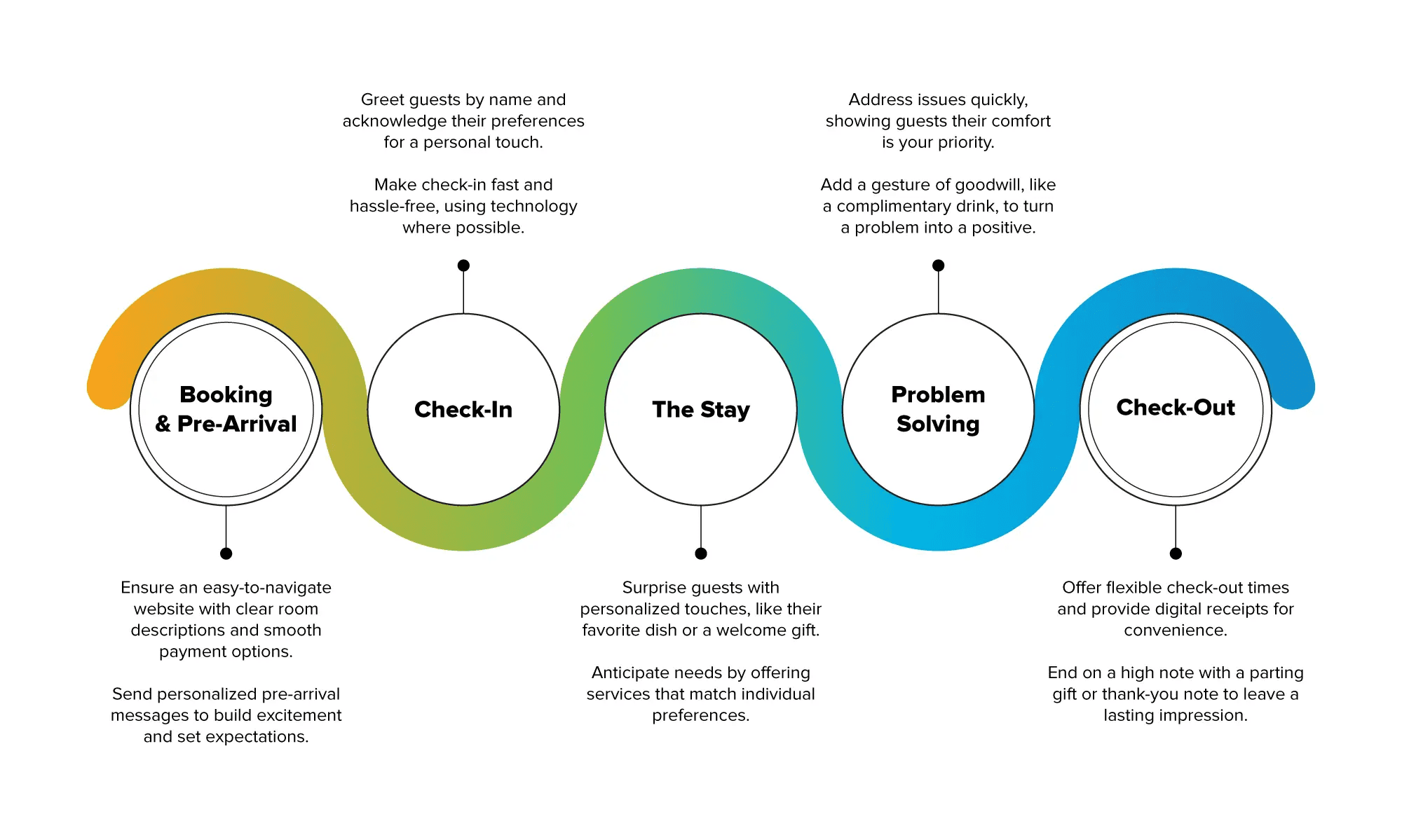
What Hotels Can Take Away From This
Use data to enhance the stay, not dominate it
Make communication easy and consistent
Keep empathy at the center of service
Standardize basics but leave room for personality
Combine digital efficiency with human warmth
The balance between structure and spontaneity matters.
Final Thoughts
Marriott has set a strong benchmark in how big hospitality brands can personalize at scale. Their systems help ensure guests feel recognized and supported, not lost in the machine.
But even for leaders in the space, the real heart of hospitality lies outside software. It lives in simple human gestures and attention that technology exists to protect, not replace.
Hospitality works best when tech handles the routine
so people can handle the moments that matter.