Product
Why Aman and Six Senses Show That Calm Has Real Economic Value
Navneet Joshi
28 December 2025
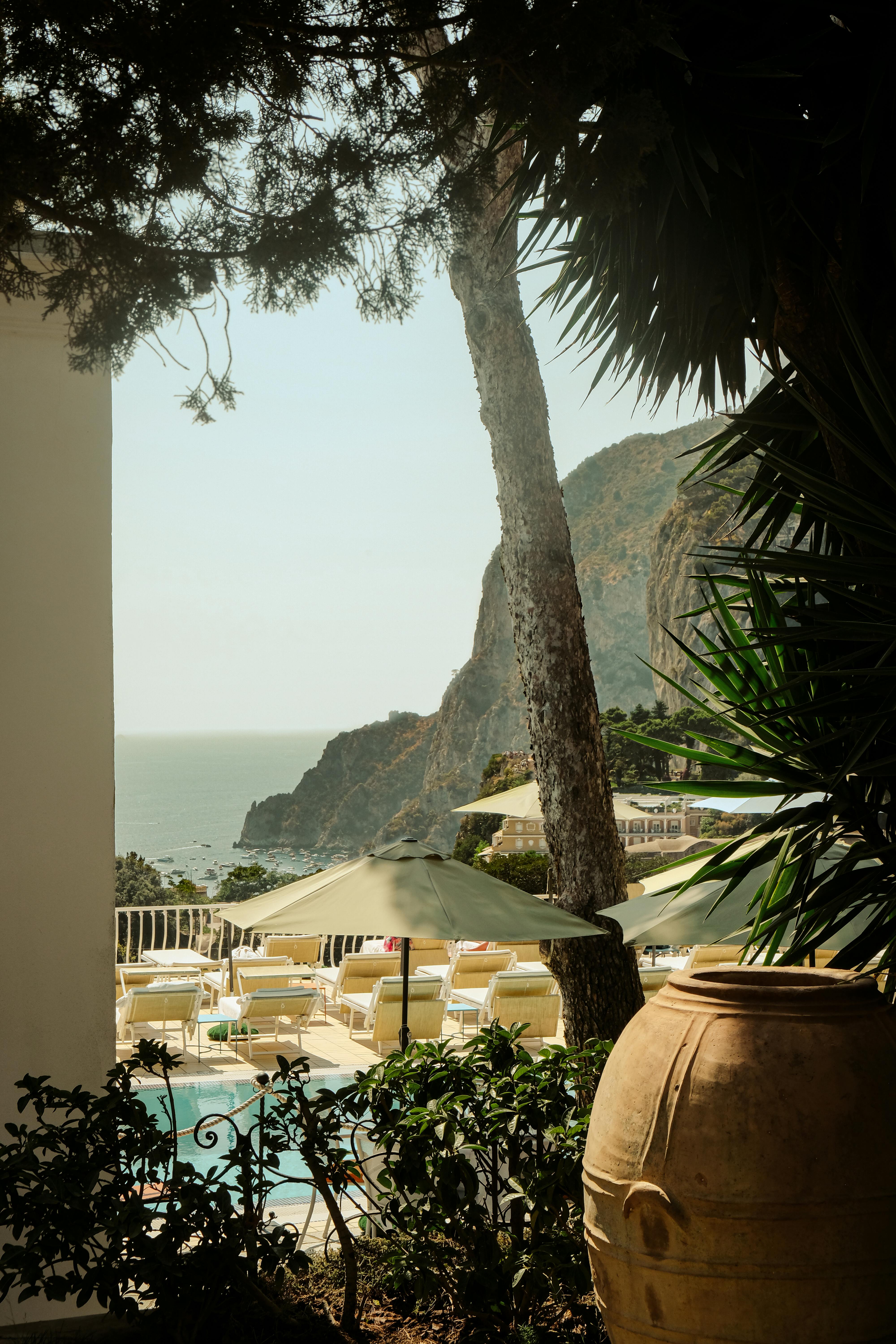
Luxury hospitality has always charged more for space, privacy, and service. But today, a quieter shift is taking place. Some of the most respected hotel brands are no longer competing on size, speed, or visibility. They are competing on calm.
Hotels like Aman, Six Senses, and COMO Hotels have built their reputation around fewer rooms, fewer interruptions, and more thoughtful service. This approach does not reduce revenue. In fact, it increases it.
Calm has economic value because it is rare. Most people live in noisy environments filled with screens, messages, and constant demands on attention. When guests enter a hotel that feels quiet and controlled, their stress drops. That feeling of relief becomes part of what they are paying for.
From a business point of view, calm leads to stronger pricing. Guests are more willing to pay higher room rates when the experience feels intentional. They stay longer, return more often, and recommend the property to others. This improves average daily rates and long term guest loyalty.
Calm also improves operations. When service is planned and anticipatory, staff face fewer urgent requests. Fewer interruptions mean fewer mistakes. Over time, this lowers service recovery costs and reduces staff fatigue. A calm environment helps both guests and employees.
Another important factor is perception. Loud luxury tries to prove value through excess. Quiet luxury does not need to explain itself. Hotels that operate this way rarely rely on discounts because the experience already feels worth the price.
The takeaway is simple. Calm is not a soft idea. It is a practical business strategy. Hotels that design for quiet are responding to what guests are willing to pay for today.