Product
How to Handle Hotel Guest Complaints Before They Become Online Reviews
Navneet Joshi
20 March 2026
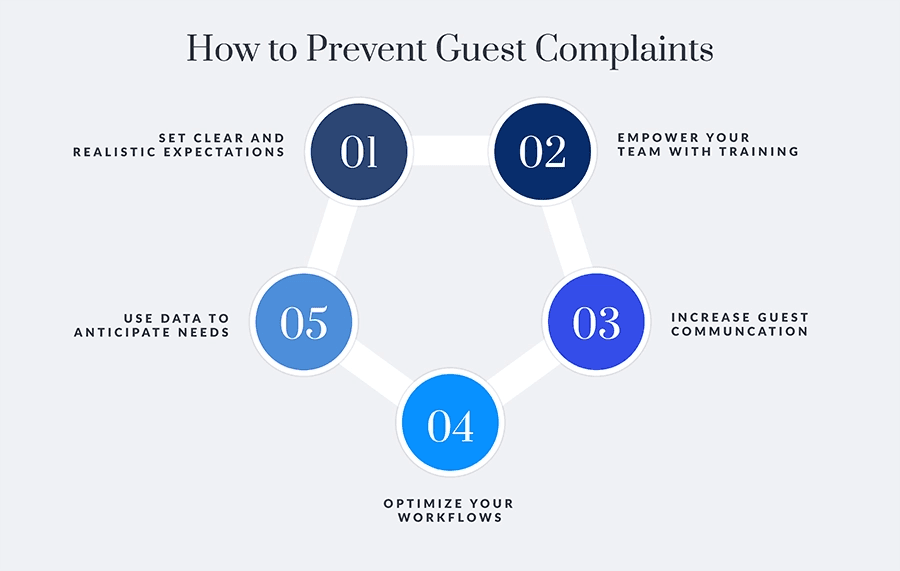
Most hotels find out about a guest problem in one of two ways. Either the guest tells someone during their stay, or the hotel reads about it on Google the next morning.
The difference between those two outcomes is not luck. It is whether the hotel had a system to catch problems while the guest was still there.
Why guests do not complain at the front desk
The assumption most hotel managers work with is that a guest who is unhappy will say something. In reality most of them do not.
Complaining feels like a confrontation. Guests on vacation do not want a confrontation. They just want the problem to go away. So they say nothing, they quietly simmer, and the moment they get home and open their laptop they leave the review they were composing in their head the whole flight home.
If you are waiting for guests to come to you, you are already too late for most of them.
The complaints that turn into reviews are usually small
It is rarely the big things. A billing dispute or a serious maintenance issue, guests feel entitled to raise those. It is the small things they let go.
The AC that was never quite right. The housekeeping that came too early two mornings in a row. The restaurant that took 45 minutes for what should have been a simple order. The staff member who was technically polite but clearly uninterested.
None of these feel worth a confrontation. All of them feel worth mentioning in a review. And when a guest lists three small things in one review, it reads as a pattern of neglect even if each one was a one-off.
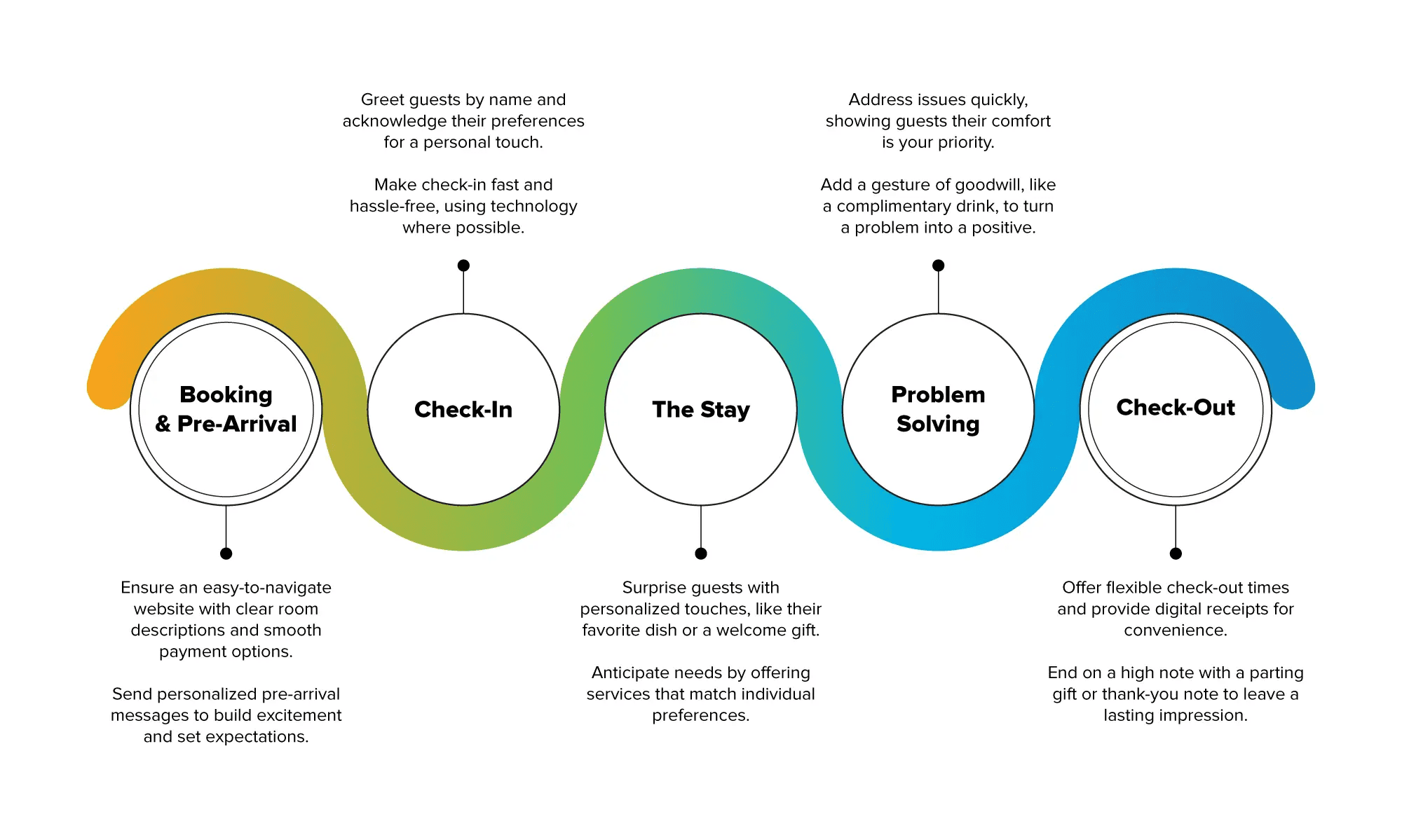
What catching problems early actually looks like
The hotels that consistently have strong review scores are not the ones that never have problems. They are the ones that catch and fix problems before checkout.
A mid-stay check-in. Not a formal survey. Just a genuine question from a staff member or an automated message asking if everything has been good so far. The phrasing matters. "Is everything okay?" invites a yes. "Is there anything we can make better for the rest of your stay?" invites an honest answer.
A system that logs every request and flag. When a guest calls about the same issue twice, or calls at an unusual hour, or sounds frustrated, these are signals. A system that surfaces these patterns gives your team a chance to proactively reach out before the guest leaves.
Empowering staff to resolve things on the spot. Most small complaints escalate into reviews because the first staff member the guest mentioned it to either could not help or did not take it seriously. If your team has the authority to fix small issues without needing manager approval, problems get fixed fast.
When a guest does complain in person
The instinct for most front desk staff is to apologise, promise to look into it, and hope the guest is satisfied. That is not enough.
Three things need to happen. Acknowledge the problem specifically, not with a general sorry. Fix it or give a clear timeline for fixing it. Follow up before the guest checks out to confirm it was resolved.
The follow-up is the part that almost never happens. But it is the part that turns a complaint into a positive review. A guest who complained and was genuinely heard and sorted out will often say so publicly.
The checkout window is your last chance
The moments right before a guest leaves are when they are forming their final impression. A warm checkout, someone asking if everything was good, a small acknowledgement if there was any friction during the stay, can shift a 3-star mental review to a 4-star one.
This does not mean being performative. Guests can tell when it is scripted. It means staff being genuinely present at checkout, not just processing the transaction.
What to do when a bad review goes up anyway
Some guests are going to review you no matter what. Respond to every negative review. Not defensively, not with a wall of text explaining your side. A short, direct response that acknowledges what they experienced and mentions what has been looked at. Future guests reading your reviews are watching how you respond to criticism more than they are counting star ratings.
Lemi AI and complaint handling
Lemi logs every guest interaction through voice. Patterns that would otherwise be invisible, like a specific room getting repeated complaints or a recurring issue on a particular shift, become visible. When your team can see these patterns before a guest checks out, they can address them. That is the difference between a guest who leaves satisfied and a guest who leaves and writes a review.
Want to see how Lemi AI helps your team catch and resolve guest issues in real time? Book a demo call with us.